



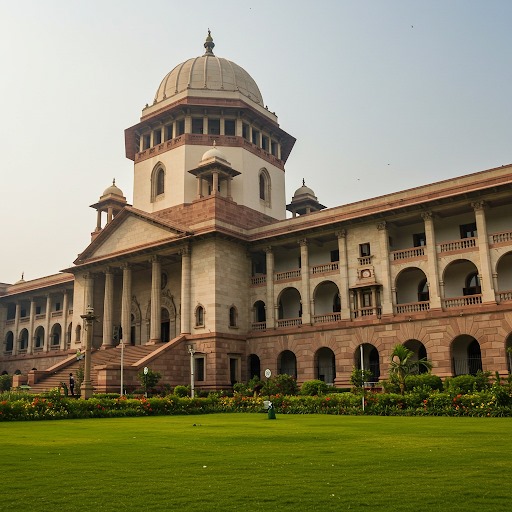
DATE: 18/04/2018
BENCH: Juctice Dalveer Bhandari and Justice A.K. Patnaik
FACTS:
In 2006, Bachpan Bachao Andolan (BBA), an Indian non-governmental organization dedicated to child rights, filed a public interest litigation under Article 32 of the Indian Constitution. The petition addressed the severe exploitation and abuse of children trafficked into Indian circuses. Investigations revealed that many of these children were sourced from impoverished regions of India and Nepal, often sold by agents or deceived parents with promises of lucrative employment. Once in the circuses, these children endured inhumane conditions, including physical, emotional, and sexual abuse, inadequate living spaces, poor nutrition, lack of education, and hazardous working environments. Despite existing child protection laws, there was a significant gap in enforcement, and no specific legislation addressed the unique challenges faced by children in circuses. BBA's petition sought comprehensive judicial intervention to rescue these children, prevent further trafficking, and rehabilitate the victims, highlighting the urgent need for systemic reforms and strict enforcement of child protection laws.
ISSUES:
The main issues presented before the court were the trafficking and exploitation of children in Indian circuses, where they faced severe abuse and inhumane conditions. The petition argued that this violated fundamental rights under Articles 14, 21, and 24 of the Constitution and highlighted the failure of law enforcement in implementing child protection laws. It sought a ban on child labour in circuses, government-backed rehabilitation for rescued children, and stronger measures to prevent child trafficking and exploitation in the entertainment industry.
JUDGEMENT WITH REASONING:
The Supreme Court ruled in favor of the petitioner, Bachpan Bachao Andolan, and directed the government to take immediate action to rescue and rehabilitate children working in circuses. The Court imposed a complete ban on the employment of children in circuses and mandated strict enforcement of child protection laws. It further instructed the government to conduct regular inspections, implement rehabilitation programs, and take proactive measures to prevent child trafficking and exploitation in the entertainment industry.
The Court's decision was based on the fundamental rights enshrined in the Indian Constitution, particularly Articles 14, 21, and 24, which guarantee equality, dignity, and protection from hazardous labor. The evidence presented showed that children in circuses were trafficked, subjected to physical and emotional abuse, and denied basic rights such as education and healthcare. Given the grave violations of their rights, the Court held that immediate intervention was necessary to uphold constitutional and human rights standards.
Furthermore, the Court recognized the failure of existing laws and law enforcement agencies in preventing child exploitation in circuses. It emphasized that the state has a duty to protect children from forced labor and trafficking and that mere legislation is insufficient without effective implementation. By banning child labor in circuses and directing the government to establish rehabilitation programs, the Court sought to ensure long-term protection and reintegration of rescued children, setting a precedent for stronger child protection measures in India.
ANALYSIS:
The Supreme Court’s decision in Bachpan Bachao Andolan v. Union of India (2011) reflects a progressive approach to child rights, reinforcing the judiciary’s role in safeguarding vulnerable populations. By invoking constitutional guarantees under Articles 14, 21, and 24, the Court recognized the fundamental right of children to live with dignity, free from exploitation. The ruling not only addressed the immediate issue of child labor in circuses but also underscored the broader problem of human trafficking and systemic failures in enforcing child protection laws. By mandating strict government oversight, regular inspections, and rehabilitation measures, the judgment set a strong precedent for proactive state intervention in cases of child exploitation.
Additionally, the Court’s emphasis on implementation highlighted the gap between legal provisions and their enforcement. Despite existing child labor laws, the continued abuse of children in circuses demonstrated the inefficacy of regulatory mechanisms. The ruling reinforced that mere legislative frameworks are insufficient without concrete action and accountability. By directing the government to actively intervene and rehabilitate affected children, the judgment went beyond punitive measures to ensure long-term systemic change. This case serves as a landmark in India’s child rights jurisprudence, reinforcing the judiciary’s commitment to protecting marginalized children and holding the state accountable for its duty to prevent exploitation.
 info@adhwaitha.com