SC Quashes Bihar Council's 'Excessive' Expulsion of RJD MLC Over Nitish Remarks

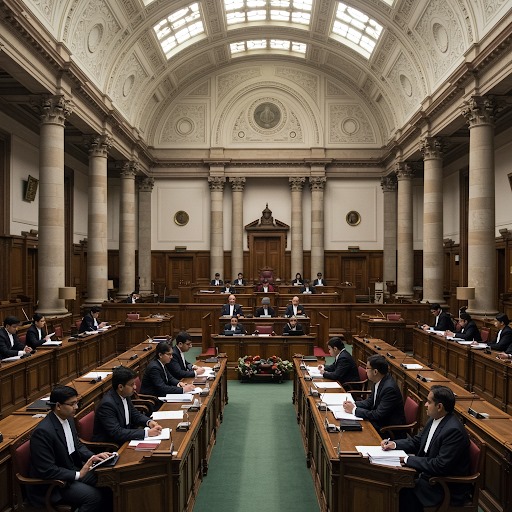



The Supreme Court has overturned the Bihar Legislative Council’s decision to expel RJD MLC Sunil Kumar Singh for making defamatory remarks against Bihar Chief Minister Nitish Kumar. While the Court strongly criticized Singh’s conduct, calling it "abhorrent" and "unbecoming" of a legislator, it found the punishment of expulsion to be "highly excessive" and "disproportionate."
The Court emphasized that the expulsion not only infringed upon Singh’s rights but also those of the electorate who had chosen him as their representative. Taking a balanced approach, the Court ruled that the seven months of expulsion already served should instead be treated as a suspension, which it deemed an adequate penalty for his misconduct.
However, the Court clarified that its interference was strictly limited to the severity of the punishment and should not be interpreted as an endorsement of Singh’s actions. It maintained that his remarks were inappropriate and warned him against making similar statements in the future.
Additionally, the Court annulled the Election Commission of India's notification for conducting a bye-election to fill Singh’s seat, thereby restoring his position in the Legislative Council.
A bench of Justices Surya Kant and N Kotiswar Singh pronounced the verdict, after having reserved orders on January 29. The main conclusions from the judgment are as follows:
1. There is no absolute bar in calling into question the decisions taken by the legislature. Proceedings in the legislature and legislative decisions are distinct and regarding the latter, the bar for judicial review under Article 212 of the Constitution may not be applicable. Judicial review of legislative decisions is not an encroachment of the legislative domain.
2. The decisions of the Ethics Committee of the Legislative Council are not part of the legislative functions and hence, they are not immune from judicial review.
3. The proportionality of the punishment imposed by the Legislative Council can be reviewed by the Courts. Imposing a disproportionate punishment undermines democratic values and also affects the electorate. The judgment outlined principles which the Court should consider while ascertaining if the punishments are proportionate.
4. The demeanour of the petitioner was "abhorrent" and "unbecoming of a member of the council". Notwithstanding his conduct, the Court observed that the Council ought to have exercised magnanimity. The expulsion of the petitioner not only violates his fundamental rights but also violates the rights of the electorate. The punishment meted out to the petitioner was excessive and disproportionate to the misconduct attributed to him. A more balanced measure should have been adopted by the house.
5. Though the matter could be remitted back to the house to decide the quantum of punishment, the Court said that the special powers under Article 142 of the Constitution can be invoked to substitute the punishment.
 info@adhwaitha.com
