



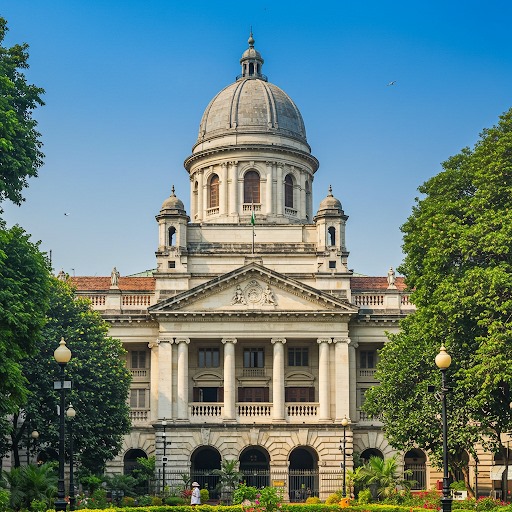
The Supreme Court, on Friday, granted a stay on the Bombay High Court’s order, which had restrained Pune’s iconic eatery, Burger King, from using the trademark ‘Burger King.’ A Bench comprising Justices BV Nagarathna and Satish Chandra Sharma issued the interim order while hearing a Special Leave Petition filed by the proprietors of the Pune-based restaurant challenging the High Court’s directive. The Supreme Court’s intervention provides temporary relief to the local establishment, allowing it to continue using its trademark until further proceedings determine the legal standing of the dispute.
The present case revolves around a trademark dispute between the globally recognized United States fast-food giant, Burger King Corporation, and a Pune-based eatery operating under the same name, "Burger King." The dispute arose when the US-based Burger King Corporation, which has been selling burgers under the trademark "Burger King" since 1954 and has grown into the second-largest fast-food hamburger chain in the world, took legal action against the Pune-based establishment for alleged trademark infringement.
Claiming an extensive international presence, Burger King Corporation emphasized that it operates in over 100 countries, employing approximately 30,300 people worldwide. Alleging unauthorized usage of its well-known trademark, the US corporation filed a lawsuit against the Pune eatery in 2011 before the District Court, Pune. The suit sought a permanent prohibitory injunction to restrain the Pune proprietors from using the "Burger King" trademark. Additionally, the US company demanded damages amounting to Rs.20 lakhs for alleged losses caused by the Pune-based business's continued usage of the brand name.
However, in August 2024, after years of litigation, the District Court, Pune, ruled in favor of the local eatery and dismissed the trademark infringement suit filed by Burger King Corporation. Despite this, the legal battle escalated further when the Bombay High Court subsequently issued an order restraining Pune’s Burger King from continuing to use the disputed name. This led to the proprietors of the Pune eatery filing a Special Leave Petition (SLP) before the Supreme Court of India, challenging the High Court's decision and seeking relief.
The defendants, Anahita Irani and Shapoor Irani, the proprietors of the Pune-based eatery "Burger King," defended their right to use the trade name by asserting that they had been operating under the name "Burger King" since as early as 1992. They further argued that Burger King Corporation (US) had not utilized the trademark in India for nearly three decades following its registration, thereby challenging the multinational company’s claim of exclusive rights over the name within the Indian jurisdiction.
After carefully examining the evidence, the District Court, Pune, found that the defendants were prior users of the disputed trademark "Burger King" in India. Citing the principle of "prior use", the court held that the Pune-based proprietors had a stronger claim to the trademark under Indian trademark law and dismissed the infringement suit filed by the US-based Burger King Corporation. Dissatisfied with this ruling, the American fast-food giant moved the Bombay High Court in an appeal, seeking to overturn the District Court’s decision.
In December 2024, the Bombay High Court issued an interim stay on the District Court’s order and passed a restraint order against the Pune-based eatery, preventing it from continuing to use the "Burger King" trade name. This development prompted the defendants, Anahita Irani and Shapoor Irani, to file a Special Leave Petition (SLP) before the Supreme Court of India, challenging the High Court’s decision and seeking relief. After hearing the matter, the Supreme Court provided interim relief to the Pune-based proprietors by staying the Bombay High Court’s restraint order, thereby allowing them to continue operating under the "Burger King" name for the time being. However, the Supreme Court clarified that the Bombay High Court can proceed with the appeal and continue to hear the matter on merits, ensuring that the case follows its due course in the judicial process.
 info@adhwaitha.com